Why I Redesigned My Website For Efficiency
When I redesigned my website, my goal wasn’t just aesthetics.
It was energy.
Because the way we design digital products today has a hidden cost — and it’s not just performance or UX.
It’s energy consumption.
The invisible cost of the internet
We often think of digital products as “light.”
No factories. No shipping. No physical waste.
But every interface we design, every animation we add, every image we upload runs on infrastructure powered by energy.
And that energy comes from:
Data centers
Cooling systems
Network infrastructure
Water consumption for temperature regulation
The internet is physical.
We just don’t see it.
A shift in priorities
For decades, oil was the most valuable resource.
In the future, that will change.
Energy will become the most critical resource driving decisions — not just in industries like transportation or manufacturing, but also in digital product design.
And this changes how we should think about design.
Not just:
How beautiful is it?
How usable is it?
But also:
How much energy does it consume?
My new website as a small experiment
This redesign became a personal experiment.
What happens if I design a website not just for users, but also for efficiency?
Before
When I redesigned my website, my goal wasn’t just aesthetics.
It was energy.
Because the way we design digital products today has a hidden cost — and it’s not just performance or UX.
It’s energy consumption.
The invisible cost of the internet
We often think of digital products as “light.”
No factories. No shipping. No physical waste.
But every interface we design, every animation we add, every image we upload runs on infrastructure powered by energy.
And that energy comes from:
Data centers
Cooling systems
Network infrastructure
Water consumption for temperature regulation
The internet is physical.
We just don’t see it.
A shift in priorities
For decades, oil was the most valuable resource.
In the future, that will change.
Energy will become the most critical resource driving decisions — not just in industries like transportation or manufacturing, but also in digital product design.
And this changes how we should think about design.
Not just:
How beautiful is it?
How usable is it?
But also:
How much energy does it consume?
My new website as a small experiment
This redesign became a personal experiment.
What happens if I design a website not just for users, but also for efficiency?
Before

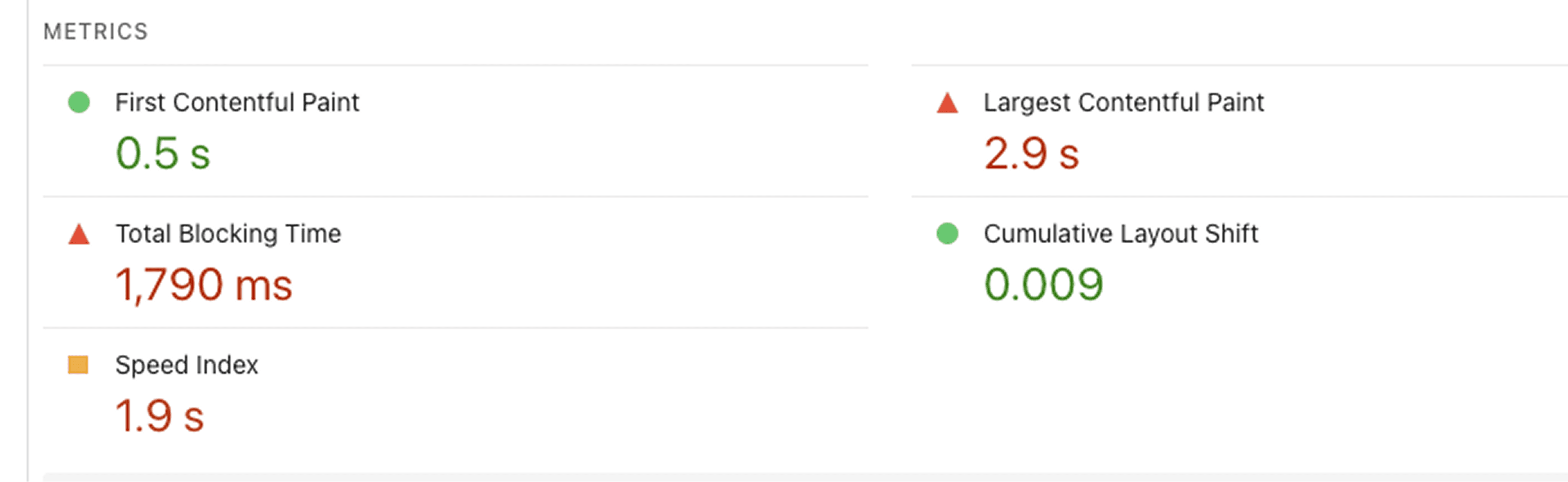
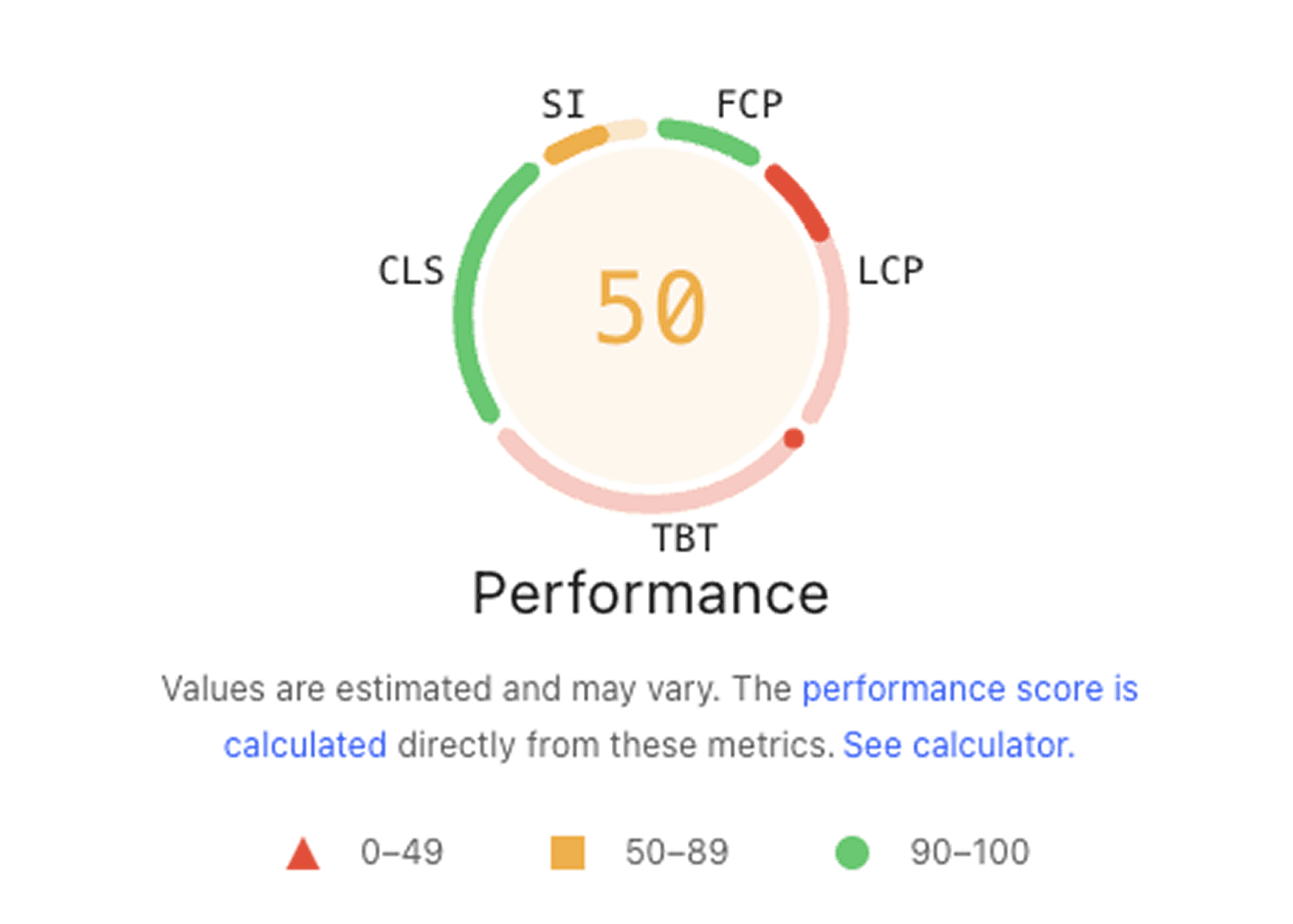
My previous website looked good.
But technically, it was heavy:
Performance score: 50
Total Blocking Time: 1790ms
Largest Contentful Paint: 2.9s
It relied on more scripts, more visual complexity, and more rendering work.
Which means more energy.
After
My previous website looked good.
But technically, it was heavy:
Performance score: 50
Total Blocking Time: 1790ms
Largest Contentful Paint: 2.9s
It relied on more scripts, more visual complexity, and more rendering work.
Which means more energy.
After

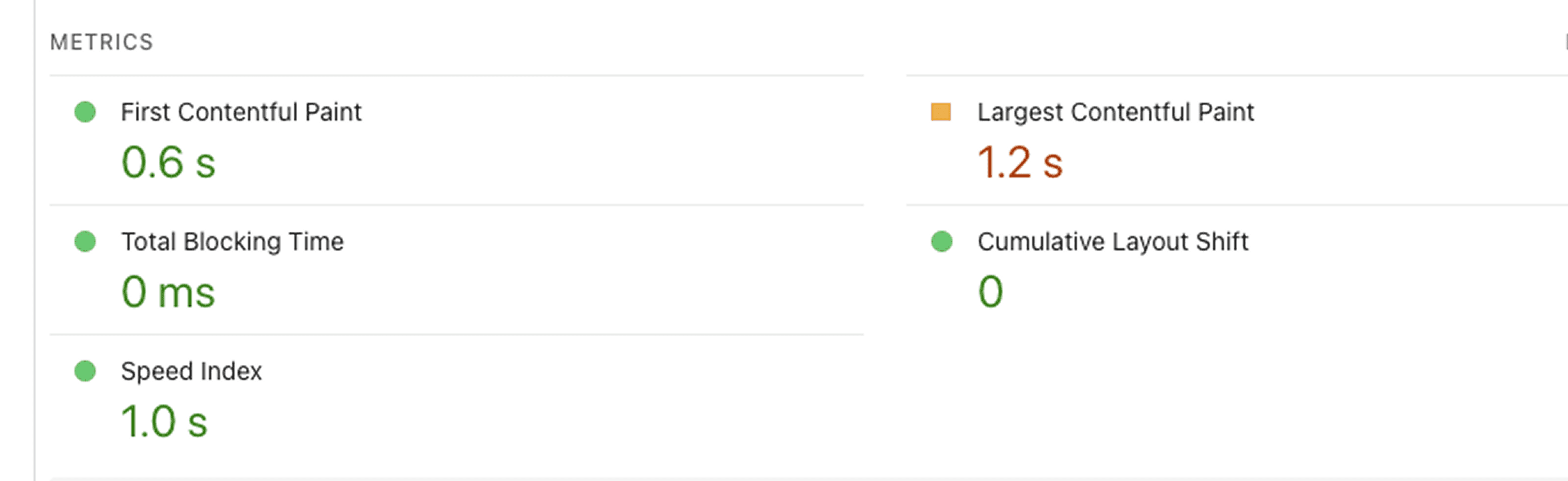
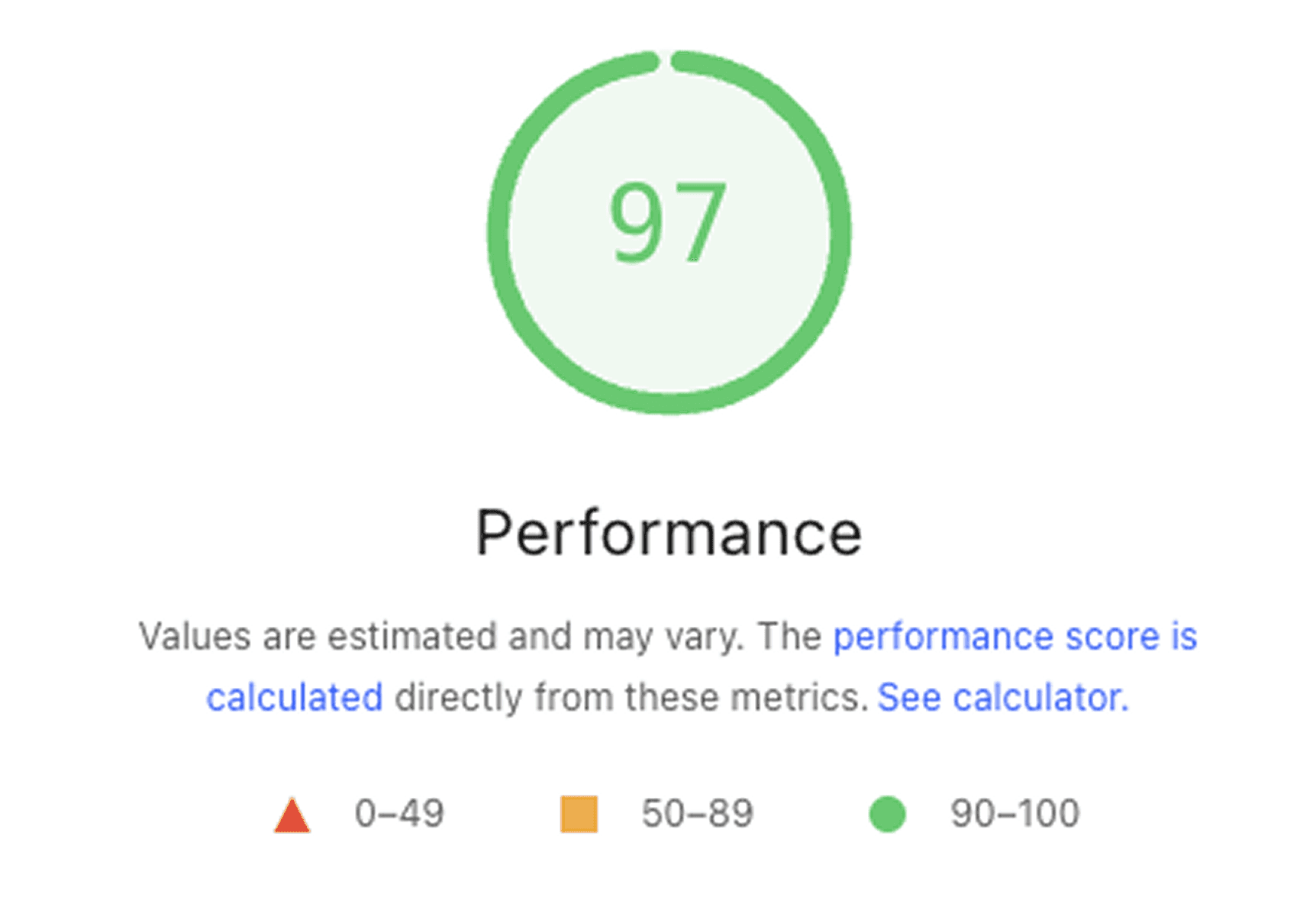
After redesigning with a minimal and performance-first mindset:
Performance score: 97
Total Blocking Time: 0ms
Largest Contentful Paint: 1.2s
Same purpose.
Completely different impact.
Minimalism is not just aesthetic
Minimalism is often seen as a visual style.
Less color. Less decoration. More whitespace.
But in reality, minimalism is also:
Fewer requests
Less JavaScript
Lighter assets
Faster rendering
Which means:
Less energy usage
Less strain on servers
Less cooling required in data centers
Faster rendering
Every unnecessary animation or heavy asset isn’t just a design decision.
It’s an energy decision.
The hidden layer: data centers, cooling, and water
What we design on screen affects what happens off screen.
Data centers — the backbone of the internet — consume massive amounts of electricity.
But even more overlooked:
They also consume water.
Water is used for cooling systems to prevent servers from overheating.
So when we:
Reduce page weight
Improve load times
Optimize assets
We are indirectly reducing:
Electricity demand
Cooling requirements
Water usage
Design decisions scale.
Designing with a new constraint
As designers, we are used to constraints:
usability
accessibility
business goals
But now there is a new one:
energy efficiency
And it’s not a limitation.
It’s a direction.
A new design mindset
What if we start asking different questions?
Do we really need this animation?
Can this be achieved with less code?
Is this image optimized or necessary?
What is the energy cost of this decision?
This doesn’t mean making things worse.
It means making things smarter.
From user-centered to system-aware design
UX design has always been about users.
But today, that’s not enough.
We are designing systems that operate at global scale.
Which means we need to think about:
Infrastructure
Resources
Environmental impact
Not just interfaces.
The future of digital design
In the future:
Energy will matter more than oil
Performance will be a sustainability metric
Minimalism will be a responsibility, not a trend
And designers will play a bigger role than we think.
Because every pixel we add has a cost.
Final thoughts
This website redesign is a small step.
But it changed how I think about design.
Not just as something that shapes experiences —
but as something that consumes resources.
And maybe the next evolution of design is this:
Designing not only for humans, but for the planet.
After redesigning with a minimal and performance-first mindset:
Performance score: 97
Total Blocking Time: 0ms
Largest Contentful Paint: 1.2s
Same purpose.
Completely different impact.
Minimalism is not just aesthetic
Minimalism is often seen as a visual style.
Less color. Less decoration. More whitespace.
But in reality, minimalism is also:
Fewer requests
Less JavaScript
Lighter assets
Faster rendering
Which means:
Less energy usage
Less strain on servers
Less cooling required in data centers
Faster rendering
Every unnecessary animation or heavy asset isn’t just a design decision.
It’s an energy decision.
The hidden layer: data centers, cooling, and water
What we design on screen affects what happens off screen.
Data centers — the backbone of the internet — consume massive amounts of electricity.
But even more overlooked:
They also consume water.
Water is used for cooling systems to prevent servers from overheating.
So when we:
Reduce page weight
Improve load times
Optimize assets
We are indirectly reducing:
Electricity demand
Cooling requirements
Water usage
Design decisions scale.
Designing with a new constraint
As designers, we are used to constraints:
usability
accessibility
business goals
But now there is a new one:
energy efficiency
And it’s not a limitation.
It’s a direction.
A new design mindset
What if we start asking different questions?
Do we really need this animation?
Can this be achieved with less code?
Is this image optimized or necessary?
What is the energy cost of this decision?
This doesn’t mean making things worse.
It means making things smarter.
From user-centered to system-aware design
UX design has always been about users.
But today, that’s not enough.
We are designing systems that operate at global scale.
Which means we need to think about:
Infrastructure
Resources
Environmental impact
Not just interfaces.
The future of digital design
In the future:
Energy will matter more than oil
Performance will be a sustainability metric
Minimalism will be a responsibility, not a trend
And designers will play a bigger role than we think.
Because every pixel we add has a cost.
Final thoughts
This website redesign is a small step.
But it changed how I think about design.
Not just as something that shapes experiences —
but as something that consumes resources.
And maybe the next evolution of design is this:
Designing not only for humans, but for the planet.
After redesigning with a minimal and performance-first mindset:
Performance score: 97
Total Blocking Time: 0ms
Largest Contentful Paint: 1.2s
Same purpose.
Completely different impact.
Minimalism is not just aesthetic
Minimalism is often seen as a visual style.
Less color. Less decoration. More whitespace.
But in reality, minimalism is also:
Fewer requests
Less JavaScript
Lighter assets
Faster rendering
Which means:
Less energy usage
Less strain on servers
Less cooling required in data centers
Faster rendering
Every unnecessary animation or heavy asset isn’t just a design decision.
It’s an energy decision.
The hidden layer: data centers, cooling, and water
What we design on screen affects what happens off screen.
Data centers — the backbone of the internet — consume massive amounts of electricity.
But even more overlooked:
They also consume water.
Water is used for cooling systems to prevent servers from overheating.
So when we:
Reduce page weight
Improve load times
Optimize assets
We are indirectly reducing:
Electricity demand
Cooling requirements
Water usage
Design decisions scale.
Designing with a new constraint
As designers, we are used to constraints:
usability
accessibility
business goals
But now there is a new one:
energy efficiency
And it’s not a limitation.
It’s a direction.
A new design mindset
What if we start asking different questions?
Do we really need this animation?
Can this be achieved with less code?
Is this image optimized or necessary?
What is the energy cost of this decision?
This doesn’t mean making things worse.
It means making things smarter.
From user-centered to system-aware design
UX design has always been about users.
But today, that’s not enough.
We are designing systems that operate at global scale.
Which means we need to think about:
Infrastructure
Resources
Environmental impact
Not just interfaces.
The future of digital design
In the future:
Energy will matter more than oil
Performance will be a sustainability metric
Minimalism will be a responsibility, not a trend
And designers will play a bigger role than we think.
Because every pixel we add has a cost.
Final thoughts
This website redesign is a small step.
But it changed how I think about design.
Not just as something that shapes experiences —
but as something that consumes resources.
And maybe the next evolution of design is this:
Designing not only for humans, but for the planet.